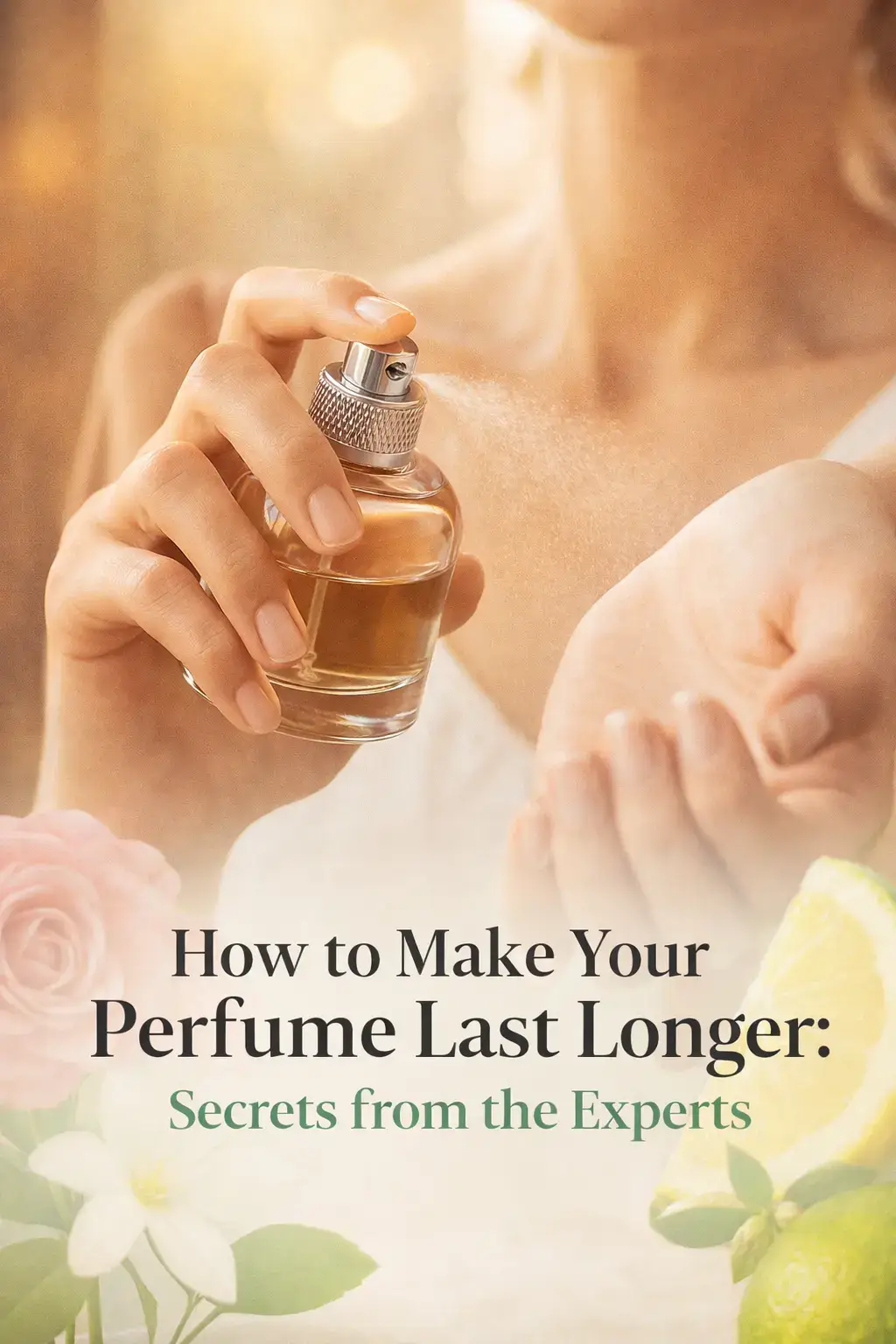
How to Make Your Perfume Last Longer: Secrets from the Experts
Finding your signature scent is one thing, but making it last from morning until evening is another challenge entirely. If you’ve ever wondered why your favorite fragrance seems to disappear before lunchtime, you’re not alone. The good news? With the right techniques and expert knowledge, you can dramatically extend your perfume’s longevity and keep smelling amazing all day long.
Understanding Fragrance Longevity: The Science Behind the Scent
Before diving into application techniques, it’s important to understand what makes perfume last longer on your skin. Fragrance longevity depends on several key factors, including the perfume’s concentration, its composition, and how it interacts with your unique body chemistry.
Perfume Concentration Matters
Not all fragrances are created equal when it comes to staying power. The concentration of aromatic oils in your perfume directly affects how long it lasts:
- Eau de Parfum (EDP): Contains 15-20% aromatic essence and can last 6-8 hours or more
- Eau de Toilette (EDT): Contains 5-15% aromatic essence and typically lasts 3-4 hours
- Eau de Cologne: Contains 2-4% aromatic essence and lasts approximately 2 hours
For maximum longevity, choosing an Eau de Parfum is your best bet, as these formulations are specifically designed for all-day wear.
The Role of Fragrance Notes
The structure of your perfume also plays a crucial role in its lasting power. Fragrances are built in three layers:
- Top notes: Light, fresh scents like citrus and herbs that evaporate quickly (5-15 minutes)
- Heart notes: The core of the fragrance featuring florals and spices (2-4 hours)
- Base notes: Deep, rich notes like musk, amber, vanilla, and woody accords that linger longest (4-8+ hours)
If you’re looking for long-lasting perfume, choose fragrances with strong base notes. Woody, oriental, and amber-based scents naturally outlast fresh, citrusy fragrances.
Prepare Your Skin for Maximum Scent Retention
One of the most overlooked secrets to making perfume last longer is proper skin preparation. Your skin acts as the canvas for your fragrance, and its condition significantly impacts scent longevity.
Moisturize Before You Spray
Hydrated skin is the foundation of long-lasting fragrance. Dry skin absorbs perfume quickly and causes it to evaporate faster, while well-moisturized skin holds fragrance molecules better and releases them gradually throughout the day.
Expert tip: Apply an unscented moisturizer or body lotion to your pulse points 5-10 minutes before applying perfume. This gives the moisturizer time to absorb and creates an ideal base for your fragrance. For even better results, use a body oil like jojoba, sweet almond, or grapeseed oil, as natural oils provide an excellent base for perfume application.
Some fragrance enthusiasts swear by applying a thin layer of petroleum jelly to pulse points before spraying perfume. This creates an occlusive barrier that slows fragrance evaporation and can extend wear time significantly.
Apply Right After Your Shower
Timing is everything when it comes to perfume application. The best time to apply fragrance is immediately after showering or bathing, when your skin is still slightly damp and your pores are open. Freshly washed, warm skin absorbs perfume more readily and helps the scent develop fully.
Pro tip: Pat your skin dry rather than rubbing vigorously, leaving it slightly damp before moisturizing and applying perfume.
Exfoliate Regularly
Dead skin cells create a barrier that interferes with fragrance absorption and longevity. Gentle exfoliation 2-3 times per week removes this barrier and creates smoother skin that holds scent more effectively. Focus on areas where you typically apply perfume, and always follow with moisturization for optimal results.
Master the Art of Pulse Point Application
Knowing where to apply perfume can make all the difference between a scent that fades within hours and one that lasts all day. Pulse points are strategic areas where blood vessels are closest to the skin’s surface, generating gentle warmth that helps diffuse and amplify your fragrance naturally.
The Key Pulse Points for Perfume
Focus your perfume application on these warm areas for maximum impact and longevity:
- Wrists: The inside of both wrists are classic pulse points that help diffuse your scent throughout the day
- Neck: Apply to the front and sides of your neck for excellent projection
- Behind the Ears: This warm area provides exceptional longevity and creates an intimate scent experience
- Inner Elbows: Often overlooked, this pulse point creates beautiful scent trails when you move
- Behind the Knees: For special occasions, this application point offers unexpected longevity
- Chest: The décolletage area provides excellent warmth for fragrance diffusion
Perfect Your Application Technique
How you apply perfume is just as important as where you apply it. Follow these expert techniques to maximize your fragrance’s staying power:
Hold the bottle 6-8 inches away: This distance ensures even distribution without overwhelming any single area. Spraying too close creates concentrated spots that can be overpowering, while spraying too far wastes fragrance.
Don’t rub your wrists together: This is one of the most common perfume mistakes. Rubbing generates friction that breaks down fragrance molecules, crushes the delicate scent structure, and causes the top notes to dissipate much faster than intended. Instead, gently press or dab the area to help the fragrance settle into your skin without disrupting its molecular composition.
Let it dry naturally: After applying perfume, allow it to dry down completely on your skin before getting dressed. This prevents the fragrance from transferring to your clothes and ensures it develops properly on your skin.
Layer Your Fragrance for Extended Wear
Fragrance layering is the secret weapon of perfume experts and can dramatically increase how long your scent lasts. This technique involves using multiple products with complementary or matching scents to create a more complex, long-lasting fragrance experience.
Use Matching Scented Products
Many perfume brands offer complete fragrance collections that include shower gels, body lotions, and hair mists alongside their perfumes. Using these matching products creates a cohesive scent profile that lasts significantly longer than perfume alone.
Start with a scented body wash in the shower, follow with a matching body lotion or cream, and finish with your perfume. This multi-layered approach helps the fragrance cling to your skin and provides subtle reinforcement throughout the day.
Spray Your Hair for Extra Longevity
Hair holds fragrance exceptionally well due to its porous, fibrous structure. The natural oils in your hair help trap scent molecules, and every time you move your head or run your fingers through your hair, it releases a fresh burst of fragrance.
Important caution: Don’t spray alcohol-based perfumes directly onto your hair, as the high alcohol content can cause dryness and damage. Instead, spray your perfume on your hairbrush and run it through dry hair, or use a dedicated hair mist if your fragrance line offers one.
Apply Perfume to Your Clothes
Textile fibers trap perfume compounds very effectively, allowing scents to last longer than on skin regardless of weather or body chemistry. Spraying perfume on your clothes, scarves, or jacket linings can significantly extend fragrance longevity.
Word of warning: Always test on a small, hidden area first, as some perfumes (particularly those with darker, amber-based formulas) can stain delicate fabrics. Natural fabrics like cotton, wool, and silk hold fragrance best, while synthetic materials may alter how the scent develops.
Advanced Tips for All-Day Fragrance
Beyond the basics, fragrance experts employ several clever techniques to keep their signature scents lasting from dawn to dusk.
Target Multiple Pulse Points
Don’t limit yourself to just wrists and neck. For special occasions or when you want maximum impact, apply perfume to multiple pulse points simultaneously. This creates a more pronounced scent cloud and ensures fragrance radiates from different areas of your body throughout the day.
Keep a Travel-Size Bottle Handy
Even with perfect application, most fragrances will naturally fade after 6-8 hours. Don’t be afraid to reapply your scent for evening events or important meetings. Keep a travel-size bottle or atomizer in your bag for convenient touch-ups on the go.
Pro tip: Spray your perfume on cotton balls or q-tips, place them in a small plastic bag while wet, and squeeze out the air. These make perfect, portable refreshers for midday reapplication.
Layer Complementary Scents
If you’re feeling adventurous, you can layer different fragrances to create a unique scent profile with enhanced longevity. Choose perfumes that complement each other rather than compete. For example, pair a fresh citrus top note with a deeper oud-based fragrance for balance, or layer a floral scent over a woody base.
Consider Your Environment
Temperature and humidity affect fragrance longevity. In hot, humid climates, perfumes tend to project more strongly but may evaporate faster. In these conditions, focus on pulse points and consider lighter application. In cold weather, fragrances sit closer to the skin and last longer, so you may need to apply more generously.
Proper Perfume Storage Extends Shelf Life
How you store your fragrances affects not only their longevity in the bottle but also how they perform on your skin. Proper storage preserves the integrity of the scent and ensures you’re getting the best possible performance.
Keep Perfume Away from Heat and Light
Fragrance molecules break down when exposed to fluctuating temperatures, direct sunlight, or humidity. The bathroom, despite being convenient, is actually the worst place to store perfume due to temperature changes and moisture from showers.
Store your fragrances in a cool, dark drawer or closet away from windows and heat sources. Consistent, cool temperatures preserve the chemical composition and prevent the scent from degrading.
Don’t Transfer to Decorative Bottles
While fancy display bottles might look sophisticated, transferring perfume allows air to saturate the fragrance and shorten its lifespan. The original bottle is designed to minimize air exposure and preserve the scent’s integrity.
Never Shake Your Perfume
Shaking introduces air bubbles into the formula, which can cause the fragrance to degrade faster. Simply spray your perfume and place it back in its storage location without unnecessary agitation.
Understanding How Skin Type Affects Fragrance
Your individual body chemistry plays a significant role in how long perfume lasts on your skin. Understanding your skin type can help you adapt your application strategy for optimal results.
Oily Skin: Natural Fragrance Amplifier
If you have naturally oily skin, you’re in luck. The natural oils in your skin help lock in fragrance molecules, allowing them to cling and release slowly throughout the day. Fragrances typically last longer and project more powerfully on oily skin, particularly rich scents with warm base notes like oud, amber, and sandalwood.
Dry Skin: Requires Extra Preparation
Dry skin tends to absorb and dissipate fragrance more quickly, as it lacks the natural oils that help retain scent molecules. If you have dry skin, proper moisturization becomes even more critical. Apply a generous layer of unscented lotion or a fragrance-matching body cream before your perfume, and consider reapplying your scent more frequently throughout the day.
Normal Skin: The Balanced Canvas
Those with balanced skin types experience steady fragrance performance and can wear almost any perfume successfully. You’ll still benefit from moisturization and proper application techniques, but your skin naturally provides a good foundation for most fragrances.
Choose Fragrances Designed for Longevity
When shopping for a new perfume, consider longevity as part of your selection criteria. Some fragrances are specifically formulated for extended wear time, while others are intentionally lighter and more ephemeral.
Look for These Long-Lasting Ingredients
Certain fragrance ingredients are known for exceptional staying power:
- Musk: Natural or synthetic musk serves as a base note that anchors scents and prolongs longevity
- Amber: Enhances fragrances with warm, cozy undertones that last for hours
- Vanilla: This beloved base note brings sweetness and helps fragrances cling to skin
- Woody notes: Cedarwood, sandalwood, and vetiver provide earthy depth and longevity
- Oud: Highly concentrated and intensely long-lasting, perfect for special occasions
- Patchouli: Rich, earthy, and remarkably persistent on the skin
Consider Your Fragrance Family
Different fragrance families have varying levels of longevity. Oriental, woody, and amber-based fragrances typically outlast fresh, citrus, and green scents. If all-day wear is your priority, gravitate toward these more substantial fragrance families.
Common Mistakes That Reduce Perfume Longevity
Even with the best intentions, certain habits can sabotage your fragrance’s staying power. Avoid these common pitfalls:
Over-Applying Doesn’t Mean Longer Wear
More isn’t always better with perfume. Excessive application can lead to olfactory fatigue, where your nose becomes desensitized to the scent, making you think it’s faded when others can still smell it. It can also create an overwhelming scent cloud that’s unpleasant to those around you.
Start with 2-3 sprays on pulse points and adjust based on the fragrance concentration and your desired intensity.
Walking Through a Fragrance Cloud
The glamorous spray-and-walk-through method might look elegant, but it’s actually wasteful and ineffective. Most of the fragrance ends up in the air rather than on your skin, giving you only the slightest hint of scent that fades within hours.
Applying Perfume to Sweaty Areas
Never apply perfume to areas prone to excessive sweating, like underarms. Perfume isn’t designed to mask odors and has no antiperspirant properties. The combination of sweat and fragrance can create unpleasant scent combinations, and the alcohol content may cause irritation on sensitive skin.
The Final Touch: Making Every Spritz Count
Making your perfume last longer isn’t about drowning yourself in fragrance or using expensive tricks. It’s about understanding the science behind scent, preparing your skin properly, applying strategically to pulse points, and storing your fragrances correctly.
By following these expert-approved techniques, you’ll transform your fragrance experience from fleeting to lasting. Your signature scent will accompany you from morning coffee to evening cocktails, leaving a memorable impression wherever you go.
Remember, finding the perfect balance takes experimentation. Everyone’s body chemistry is unique, so try different techniques to discover what works best for you. With practice and attention to detail, you’ll master the art of making your favorite fragrances last all day long.